Empowering Lives: The Latest Innovations and Insights in Cancer Care and Survivorship
In the ever-evolving landscape of healthcare, few areas have seen as much transformative change as oncology. With a relentless focus on innovation, researchers and medical professionals are pushing boundaries to improve cancer care. From groundbreaking tumor research to the rise of immunotherapy, the latest oncology news stands to not only change how we treat cancer but also how patients experience their journey. Have you ever imagined a world where cancer is treated as a chronic illness, rather than a death sentence? This vision is slowly turning into reality, and here's how.
At the forefront of these advances is an explosion of new oncology treatments. Immunotherapy, for example, harnesses the body’s own immune system to fight back against cancer cells. Unlike traditional chemotherapy, which attacks both healthy and unhealthy cells, immunotherapy zeros in on the bad guys, causing fewer side effects and a faster recovery time. It’s an exciting time for individuals navigating cancer treatment. Questions like 'What are the latest options available?' and 'How do they differ?' are becoming a crucial part of cancer education and patient advocacy.
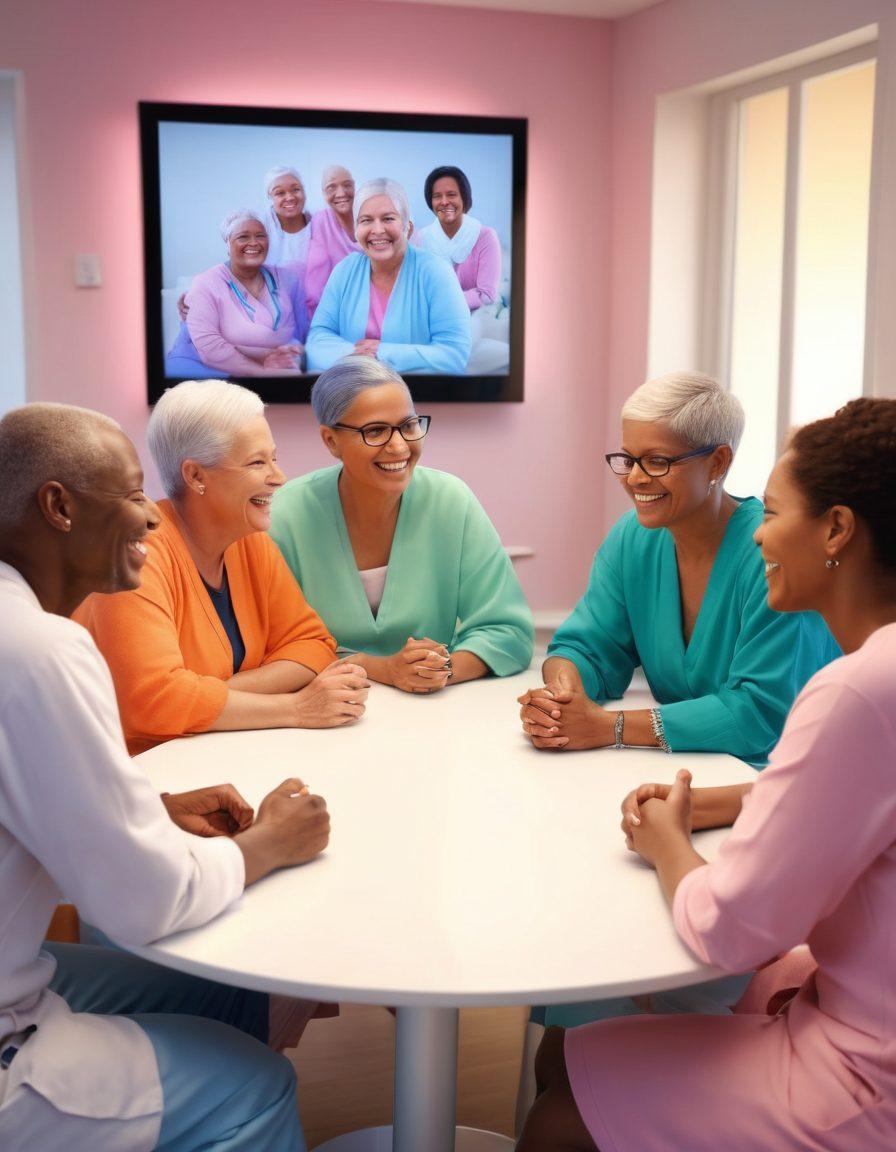
Moreover, supportive therapy has also emerged as a vital pillar in cancer care. Support groups provide peers facing similar challenges—a safe haven where cancer survivor stories can inspire resilience and hope. Picture this: you walk into a room filled with individuals who have traveled the same rocky path as you. They understand the fear and uncertainty that accompany a cancer diagnosis. Having a network of support fosters not only emotional strength but practical solutions, like nutrition and cancer management and wellness strategies to enhance one's quality of life during treatment.
But innovation doesn't just end at the biology of the disease. We're also seeing significant strides in health awareness and preventative care. Lifestyle changes, such as improved nutrition and exercise, are becoming essential components of wellness strategies for cancer survivors and those at risk. Did you know that certain diets could contribute positively to your treatment outcomes? By raising awareness about the vital connection between what we eat and how we recover, we're opening doors to holistic health that empowers both patients and caregivers alike.
As we look towards the future of cancer care, it’s crucial to stay informed about medical insights from the frontline of oncology. Each advancement serves as a beacon of hope not just for patients but for their families and communities, transforming fear into knowledge, and isolation into connection. Are you ready to embrace these innovations that promise to revolutionize cancer care? Let’s embark on this journey together, where every question leads us closer to a more empowered tomorrow.
Championing Survivorship: Transformative Insights from Cancer Survivor Experiences
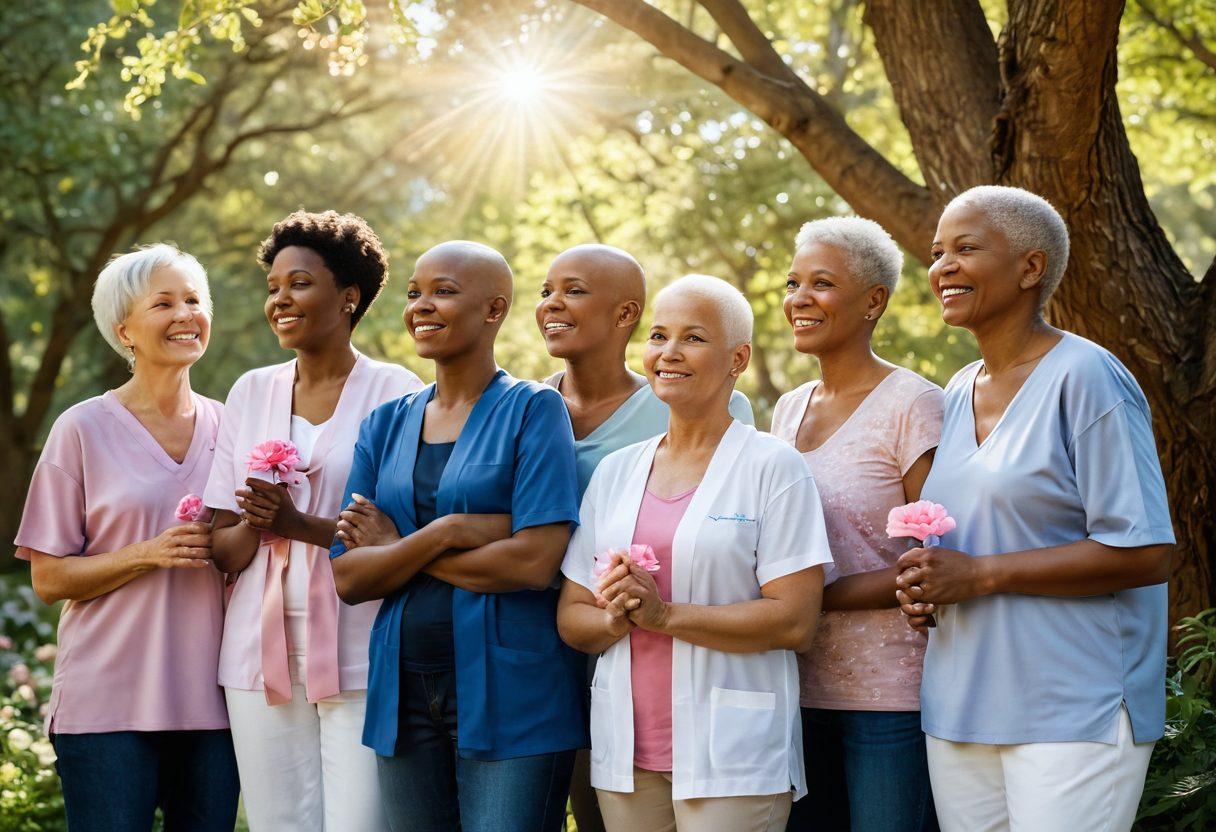
In the journey of cancer care and survivorship, one fundamental truth stands out: the voices and experiences of cancer survivors are some of the most transformative insights we can gain. These individuals, having navigated the wild terrain of treatment and recovery, offer a unique perspective that illuminates paths towards holistic health and wellness. As we delve into the world of cancer survivor stories, we uncover not just the challenges faced, but the victories achieved, hopes reignited, and lives empowered through resilience and community support.
Every cancer survivor's journey is a narrative woven with threads of fear and hope, struggles and triumphs. These stories serve as crucial health resources for others who find themselves at a crossroads, grappling with diagnosis, treatment options like immunotherapy and chemotherapy discussions, and the overwhelming choices of radiation therapy. As one survivor eloquently put it, "It’s not just about surviving cancer; it’s about thriving afterward." Their insights resonate on various levels—whether it’s the importance of patient advocacy in oncology treatment or the role of nutrition and cancer in recovery.
Moreover, the impact of support groups cannot be overstated. These are spaces where individuals can bond over shared experiences, fostering an immense sense of belonging. It’s here that chronic illness discussions take form, creating an environment for candid conversations about adjustments in lifestyle changes, wellness strategies, and managing the psychological toll of cancer. What if every survivor took a moment to share their story? Would we be able to bridge the gap between fear and hope for patients currently facing treatment?
As we champion survivorship, it’s vital to amplify the insights gleaned from these experiences. Innovations in cancer care are not merely clinical advancements; they are testimonies to the perseverance of the human spirit. With every new discovery in tumor research, there lies an opportunity for lives to be transformed. Knowledge from oncology news can evolve into empowerment—an informed patient is an engaged patient, and together, they can advocate for better health awareness and preventative care methods that can significantly alter outcomes.
In embracing the stories of cancer survivors, we invite you to reflect on your own journey or the journeys of your loved ones. Are you utilizing the available health resources and supportive therapy options that have proven beneficial? How can you share your wisdom to inspire others? As we continue to recognize the immense courage of those who have walked this path, let us commit to fostering a community that is not just informed but empowered. After all, as we champion survivorship together, we inspire a legacy of hope and resilience that transcends illness.
Empowering Patients: Navigating the Landscape of Support Groups and Wellness Strategies
Navigating the intricate world of cancer can feel like wandering through a maze. From the moment a diagnosis is delivered, patients are thrust into a whirlwind of oncologist visits, treatment plans, and the overwhelming influx of oncology news. However, amidst the confusing landscapes of tumor research and oncology treatment, the presence of support groups and wellness strategies can transform a daunting journey into a more manageable one. What if I told you that no one has to face the struggles of chronic illness alone? Patients and survivors alike often discover a newfound sense of empowerment through shared experiences and holistic health approaches.
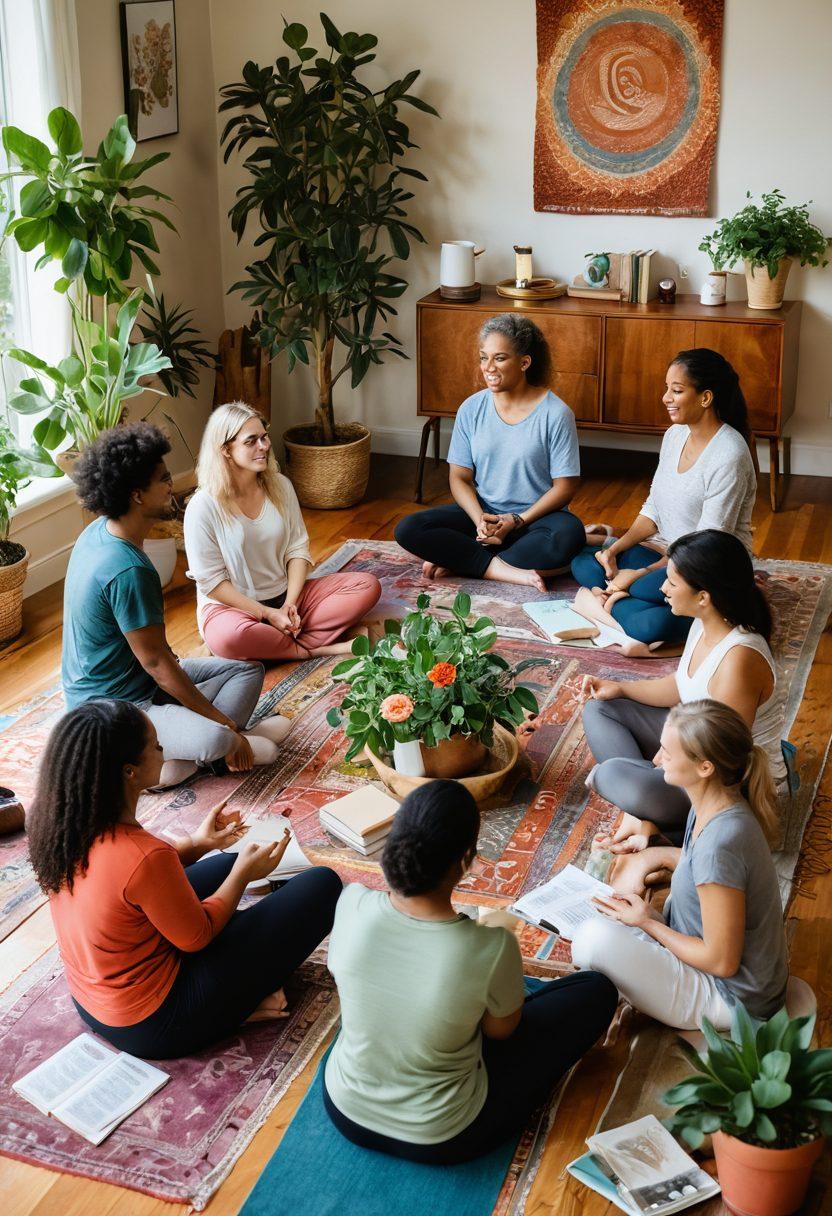
Picture this: You’re sitting in a room filled with others who understand your journey. Many have walked the same path you’re on, having navigated the highs and lows of cancer care. Support groups offer more than just a safe space to share cancer survivor stories; they foster connections, resilience, and hopes for a brighter future. These gatherings provide an essential touchpoint for discussing everything from chemotherapy discussions to insights on immunotherapy, bridging the gap between medical insights and patient experiences. After all, isn’t it comforting to know that someone out there truly understands what you’re going through?
But beyond support groups, wellness strategies play an essential role in navigating the cancer care landscape. More than just implementing lifestyle changes, adopting holistic health practices can be vital in healing. Think about how nutrition and cancer intersect—what if the secret ingredient to feeling stronger lies in the foods you consume? Embracing a diet rich in antioxidants and tailored to your needs can make an invaluable difference. Whether through cooking workshops or nutrition education sessions in health resources, the knowledge gained can empower patients to make informed choices about their health and wellness.
It’s also essential to consider the role of patient advocacy in the journey toward cancer survivorship. By being proactive, patients can seek out the latest advancements in preventative care and supportive therapy that resonate with their individual needs. What if your voice could alter the course of treatment? By engaging with healthcare professionals and being open about your concerns and preferences, you can carve out a path that is uniquely yours. The oncology treatment landscape is evolving, and patients play a pivotal role in driving these changes—how fascinating is that?
As we approach the topic of empowering patients through wellness strategies and support groups, let’s remember the profound connections that emerge from sharing experiences. Every chatter in a support group echoes a collective resilience and reminds each attendee that they are neither alone nor powerless. From health awareness initiatives to exploring the reclamation of health through changes in lifestyle, there lies an immense potential for community support and understanding. Together, these elements form a comprehensive approach to cancer survivorship that goes beyond mere treatments, focusing instead on the holistic integration of mind, body, and spirit. Are you ready to take that first step toward empowerment?